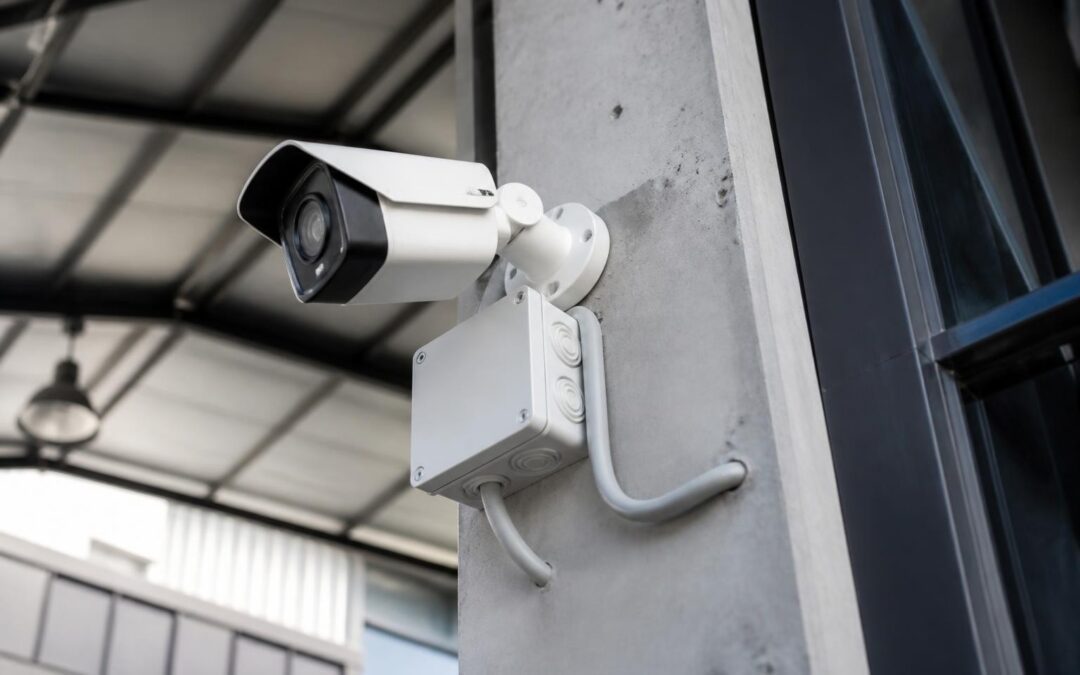
Property security has evolved dramatically over the past decade, with modern surveillance systems offering capabilities that were unimaginable just years ago. Whether you're protecting a retail shopfront, warehouse facility, or multi-site operation across South East Queensland, understanding the fundamentals of professional CCTV installation ensures you invest wisely in security infrastructure that protects your assets, staff, and customers for years to come. The right system doesn't just record footage; it integrates seamlessly with your existing security measures, provides real-time alerts, and scales alongside your business growth.
Understanding Modern CCTV Installation Requirements
Professional cctv installation involves far more than mounting cameras on walls. It requires comprehensive planning, technical expertise, and adherence to Australian Standards to ensure your system delivers reliable performance under all conditions.
Regulatory and Compliance Framework
Before any equipment leaves the warehouse, legitimate installers must hold the appropriate licences and registrations. In Queensland, this means QBCC licencing for cabling work and adherence to the Telecommunications Cabling Providers Rules 2021. These requirements exist to protect both property owners and the broader community from substandard installations that could fail when needed most.
Privacy legislation also plays a crucial role. The Privacy Act 1988 governs how organisations collect, use, and store surveillance footage, with specific obligations around signage, data retention, and access controls. The UK’s Surveillance Camera Code of Practice provides excellent guidance on ethical surveillance principles, even though Australian businesses operate under local legislation.
Key compliance elements include:
- Valid cabling and electrical licences held by installers
- Privacy impact assessments for camera placement
- Clear signage informing people they're entering a monitored area
- Documented policies governing footage access and retention
- Regular system audits and maintenance schedules

Site Assessment and System Design
Every property presents unique security challenges. A thorough site assessment identifies vulnerable entry points, high-value areas requiring monitoring, lighting conditions throughout the day, and potential environmental factors that could affect camera performance.
During this phase, experienced installers evaluate your operational requirements. Do you need 24/7 recording or motion-activated capture? Will footage be monitored in real-time or reviewed retrospectively? How long must recordings be retained? These decisions fundamentally shape your system architecture.
| Assessment Factor | Considerations | Impact on Installation |
|---|---|---|
| Coverage zones | Entry/exit points, perimeters, cash handling areas | Camera quantity and positioning |
| Lighting conditions | Natural light variation, artificial lighting, night-time visibility | Camera sensor specifications, IR requirements |
| Network infrastructure | Existing cabling, bandwidth capacity, PoE availability | Structured cabling needs, switch upgrades |
| Environmental factors | Weather exposure, temperature extremes, vandalism risk | Housing ratings, mounting hardware |
| Integration needs | Alarm systems, access control, monitoring services | Protocol compatibility, software platforms |
The design phase translates assessment findings into a detailed specification. This document outlines camera models, recording equipment, storage capacity, viewing stations, and all cabling requirements. It becomes the blueprint for installation and provides a reference point for future system expansion.
Camera Technology and Selection Criteria
Modern surveillance cameras offer vastly different capabilities depending on their intended application. Selecting appropriate technology for each location ensures optimal performance without overspending on unnecessary features.
Resolution and Image Quality Standards
Resolution has increased dramatically in recent years. While analogue systems measured in television lines, today's IP cameras deliver megapixel resolution that captures fine detail essential for identification purposes. However, higher resolution demands greater storage capacity and network bandwidth.
Common resolution standards in 2026:
- 2MP (1080p): Suitable for general monitoring in smaller areas
- 4MP: Ideal for retail environments where facial recognition matters
- 8MP (4K): Necessary for covering large spaces with zoom capability
- 12MP+: Specialised applications requiring extreme detail
The recommended standards for surveillance camera systems emphasise image quality appropriate to purpose. A camera monitoring a car park entrance needs different specifications than one overseeing a loading dock or reception area.
Lens Selection and Field of View
Lens choice determines what your camera sees. Fixed lenses offer consistent, tamper-proof viewing angles ideal for monitoring specific zones. Varifocal lenses provide adjustable zoom, allowing installers to fine-tune coverage after mounting. PTZ (pan-tilt-zoom) cameras offer active monitoring capability, though they can only observe one direction at a time.
Wide-angle lenses capture broad areas but reduce detail at distance. Telephoto lenses magnify distant subjects but narrow the field of view. Professional cctv installation balances these trade-offs across multiple cameras to provide comprehensive coverage without blind spots.
Low-Light and Night Vision Capabilities
Many security incidents occur after hours when lighting is minimal. IR (infrared) illumination remains the most common solution, with LEDs built into the camera housing providing invisible light that CCTV sensors detect clearly.
Starlight and ColorVu technologies represent newer approaches, using ultra-sensitive sensors or supplementary white light to maintain colour imagery in near-darkness. While more expensive, these technologies dramatically improve identification capability compared to standard IR, which produces monochrome footage.

Installation Process and Technical Considerations
Professional cctv installation follows a systematic methodology that ensures reliability, maintainability, and optimal performance across the system's operational lifespan.
Power and Connectivity Infrastructure
Modern IP cameras typically operate via Power over Ethernet (PoE), receiving both data connectivity and electrical power through a single network cable. This approach simplifies installation, reduces cable runs, and enables centralised power management through PoE switches with battery backup.
Cable selection matters enormously. Cat6 cabling supports the bandwidth requirements of high-resolution cameras while providing future-proofing for system upgrades. Outdoor runs require UV-resistant sheathing or conduit protection. Proper cable management prevents signal degradation, facilitates troubleshooting, and maintains professional aesthetics.
Dedicated circuits for recording equipment prevent interference from other electrical loads. Uninterruptible power supplies (UPS) maintain operation during brief outages, while generator integration ensures continued surveillance during extended power failures.
Camera Mounting and Positioning
Mounting height, angle, and stability all affect image quality. Cameras positioned too high lose facial detail; too low, they become vulnerable to tampering. Experienced installers position equipment to capture subjects at eye level where possible, accounting for typical human height and movement patterns.
Professional mounting addresses:
- Structural integrity of mounting surfaces
- Weatherproofing for external locations
- Vibration resistance in industrial environments
- Tamper deterrence through height or protective housings
- Cable entry points that prevent water ingress
- Adjustment flexibility for post-installation optimisation
Anti-tamper brackets, vandal-resistant housings, and strategic conduit routing all contribute to system longevity. A camera that's offline due to interference delivers zero security value, regardless of its technical specifications.
Network Configuration and Bandwidth Management
Each IP camera adds traffic to your network. A 4MP camera recording at 25 frames per second with H.265 compression might consume 4-6 Mbps continuously. Multiply this across a dozen cameras, and bandwidth requirements become substantial.
Quality of Service (QoS) configurations prioritise surveillance traffic during network congestion. VLAN segmentation isolates camera traffic from general business use, improving both security and performance. These network optimisations prevent your CCTV installation from degrading other critical systems while ensuring recording reliability during high-utilisation periods.
Recording, Storage, and Monitoring Solutions
Cameras capture footage, but recording infrastructure determines how long you retain it, how quickly you can retrieve it, and whether it's available when you need it most.
Network Video Recorders and Storage Architecture
Network Video Recorders (NVRs) serve as the heart of modern CCTV systems. These dedicated computers receive camera streams, compress footage, write to storage media, and manage playback requests. Enterprise-grade NVRs support dozens of cameras simultaneously while providing redundancy features that prevent data loss.
Storage requirements scale with camera count, resolution, frame rate, and retention period. A 10-camera system recording 4MP footage at 20fps for 30 days requires approximately 20-25TB of storage. RAID configurations protect against drive failures, while hot-swappable bays enable maintenance without system downtime.
| Storage Consideration | Small Installation (1-4 cameras) | Medium Installation (5-16 cameras) | Large Installation (17+ cameras) |
|---|---|---|---|
| Typical capacity | 2-4TB | 8-16TB | 32TB+ with expansion |
| RAID recommended | Optional | RAID 1 or 5 | RAID 6 or 10 |
| Backup strategy | Cloud sync | Local + offsite | Redundant NVRs + offsite |
| Retention period | 14-30 days | 30-60 days | 90+ days |
Cloud-hybrid solutions provide offsite backup while maintaining local storage for primary access. This approach protects against both equipment failure and physical damage to the premises.
Remote Access and Mobile Monitoring
Modern CCTV installation enables viewing from anywhere with internet connectivity. Secure remote access lets business owners monitor operations while travelling, receive motion alerts on smartphones, and review incidents without returning to site.
Proper security configuration is non-negotiable. Default passwords must be changed, strong authentication enabled, and access limited to authorised personnel only. Regular firmware updates patch vulnerabilities that could allow unauthorised access to your surveillance system. The SBD Commercial Guide provides detailed guidance on maintaining secure CCTV operations.
Integration with Broader Security Systems
Standalone CCTV provides valuable evidence but reaches its full potential when integrated with other security measures. When an alarm triggers, integrated systems can automatically display relevant cameras, begin recording, and notify monitoring personnel simultaneously.
Access control systems benefit enormously from CCTV integration. Every card swipe or denied entry attempt can trigger recording, creating a visual record that correlates with access logs. This integration proves invaluable during investigations or disputes about who accessed specific areas.

Analytics capabilities continue advancing. Motion detection has evolved into sophisticated algorithms that distinguish between people, vehicles, and animals. Line-crossing detection alerts when someone enters a restricted zone. Loitering detection identifies unusual behaviour patterns. These intelligent features transform passive recording into active security management.
Maintenance and System Optimisation
Installing equipment is just the beginning. Ongoing maintenance ensures your cctv installation continues performing reliably year after year.
Preventative Maintenance Schedules
Professional systems require regular attention. Camera lenses accumulate dust, dirt, and debris that degrade image quality. External housings develop moisture ingress if seals fail. Recording equipment needs firmware updates, storage health checks, and cooling system maintenance.
Recommended maintenance schedule:
- Monthly: Clean external camera lenses and housings
- Quarterly: Test recording functionality across all cameras
- Quarterly: Verify backup and redundancy systems
- Bi-annually: Inspect all cabling and connections
- Annually: Comprehensive system audit and upgrade assessment
- Ongoing: Monitor storage capacity and network performance
Documented maintenance records demonstrate due diligence and help identify developing issues before they cause system failures. Many insurers require proof of regular maintenance to honour claims related to security breaches.
System Expansion and Upgrades
Businesses evolve, and security systems must keep pace. Properly designed CCTV installation anticipates growth through scalable architecture. Adding cameras to existing systems should be straightforward, requiring only additional licensing, network capacity, and storage allocation.
Technology refresh cycles typically run 5-7 years for commercial installations. While individual components may last longer, camera technology advances rapidly enough that decade-old equipment often lacks capabilities that modern threats demand. Planning for staged upgrades prevents the disruption and expense of complete system replacement.
Selecting Professional Installation Services
The quality of your installation partner directly determines system performance, reliability, and value. With numerous providers operating across South East Queensland, understanding selection criteria helps identify truly qualified professionals.
Licensing and Industry Credentials
Legitimate installers hold current QBCC licencing for security equipment installation and telecommunications cabling. These licences require demonstrated technical competence, insurance coverage, and adherence to Australian Standards. Working with unlicenced installers exposes you to liability, potentially voids equipment warranties, and may result in systems that fail to meet regulatory requirements.
Manufacturer certifications provide additional assurance. HikVision, Avigilon, and other leading brands offer training programs that certify installers in proper configuration and integration of their products. These credentials indicate familiarity with specific equipment lines and access to technical support channels.
Experience with Similar Applications
A residential installer may lack the expertise for complex commercial deployments. Similarly, someone experienced with small retail installations might struggle with multi-building industrial facilities. Seek providers who regularly work with businesses similar to yours in size, industry, and security requirements.
Request site visits to completed installations where possible. Seeing systems in operation provides insight into cable management quality, camera positioning effectiveness, and overall installation professionalism that specifications alone cannot convey.
Support and Warranty Provisions
Equipment warranties typically require professional installation to remain valid. Beyond manufacturer coverage, reputable installers provide workmanship warranties covering their labour and configuration for a specified period.
Ongoing support arrangements matter equally. Can the installer provide emergency callouts? Do they offer maintenance contracts? What's their typical response time for service requests? These factors significantly impact total cost of ownership beyond the initial installation invoice.
The surveillance camera guidance collection includes useful templates for service level agreements and maintenance scheduling that can inform your discussions with potential installation partners.
Transparent Pricing and Value Assessment
Professional cctv installation quotes should itemise all components, labour, and ongoing costs clearly. Beware unusually low pricing that may indicate inferior equipment, unlicenced installers, or hidden charges that emerge during installation.
Value assessment extends beyond initial cost. A system that requires frequent repairs, delivers poor image quality, or becomes obsolete quickly costs far more than one installed properly from the outset. Consider total cost of ownership over a 5-7 year period when evaluating proposals.
| Evaluation Criteria | Red Flags | Positive Indicators |
|---|---|---|
| Licensing | Unlicenced, reluctant to show credentials | Current QBCC and cabling licences readily provided |
| Proposal detail | Vague specifications, generic quotes | Detailed site assessment, itemised equipment list |
| Equipment brands | Unknown manufacturers, no warranty info | Recognised brands, full warranty documentation |
| Installation timeline | Unrealistically fast, pressure to commit | Realistic scheduling, project management plan |
| Post-installation support | No mention of ongoing service | Clear maintenance options, emergency support available |
Technical Standards and Best Practice Guidelines
Australian installations don't operate in isolation from international best practices. While local regulations govern legal compliance, global standards inform technical excellence.
Australian Standards and Compliance
AS/NZS 3016 provides electrical installation requirements for security equipment. AS 2201 covers intruder alarm systems, with relevance to integrated security solutions. Following these standards ensures installations meet minimum safety and performance benchmarks.
Cabling must comply with AS/CA S009, the Australian Communications and Media Authority's specifications for telecommunications cabling. This standard governs everything from cable ratings to installation methods, testing procedures, and documentation requirements.
International Standards Integration
The British Standard BS 8418:2021 specifies installation and configuration of surveillance systems for use as evidence. While not mandatory in Australia, it provides valuable guidance on camera positioning, resolution requirements, and recording parameters that ensure footage meets evidentiary standards.
Similarly, the European EN 62676 series addresses video surveillance systems for security applications. These standards inform equipment selection and system design even when local regulations differ. PennDOT’s CCTV guidelines, though transportation-focused, offer useful insights on environmental protection and infrastructure considerations applicable to commercial installations.
Data Protection and Privacy by Design
Privacy legislation requires active consideration during system design. Position cameras to minimise capture of neighbouring properties. Implement privacy masking to block out areas that shouldn't be recorded. Restrict access to footage on a need-to-know basis with comprehensive audit trails.
Data retention policies should balance legal obligations, operational requirements, and privacy principles. Longer isn't always better; excessive retention increases storage costs and privacy risks without corresponding security benefits. Most commercial applications find 30-60 days provides adequate coverage for incident investigation while managing data responsibly.
Professional CCTV installation combines technical expertise, regulatory knowledge, and practical experience to deliver security systems that protect your business effectively. Whether you're implementing your first surveillance cameras or upgrading aging infrastructure, working with qualified installers ensures reliable performance, legal compliance, and genuine value from your security investment. Dynamic Data & Security has provided expert CCTV installation across Brisbane, the Gold Coast, and the Sunshine Coast for over two decades, designing integrated security solutions built around how your business actually operates. Our licenced professionals deliver systems that scale with your growth, using proven technology from trusted manufacturers backed by local support you can count on when it matters most.

Recent Comments