
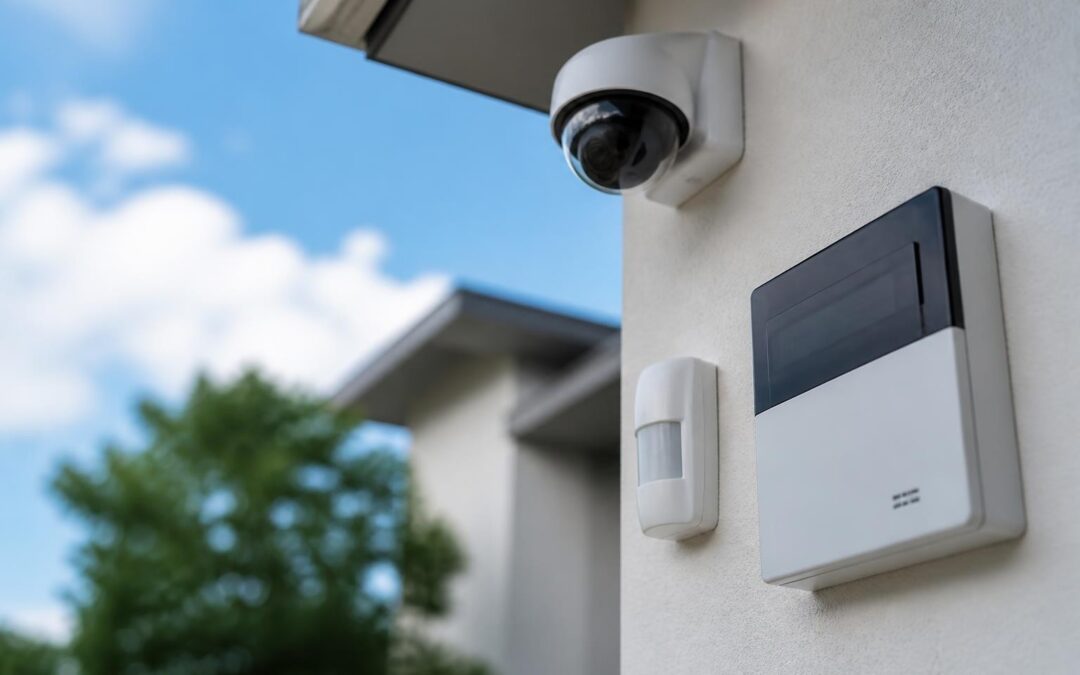
If you’re a homeowner in Brisbane, a retailer on the Gold Coast, or you run a warehouse somewhere between Yatala and Caboolture, the security device you need is not the same as what a business in Melbourne or Perth would install. South East Queensland has its own climate, its own storm season, and its own mix of property types, from Sunshine Coast holiday homes that sit empty for weeks at a time to high-rise units on the coast strip and sheds in Brisbane’s industrial belt. This guide walks through the main device categories, how to choose between them for a home versus a small business, and the local factors that actually affect what holds up out here.
Before getting into individual devices, it’s worth understanding that most modern setups aren’t a single product, they’re a combination of a few systems working together. A good security systems installation ties your alarm, cameras, access control and intercom into one setup, rather than leaving you with four separate apps and no way for the devices to talk to each other.
The Core Device Categories
Alarm Panels and Sensors
An alarm system is still the base layer for most homes and a lot of small businesses. The panel is the brain, and it’s connected to door and window sensors, motion detectors, and sometimes glass-break sensors. For it to actually do anything when you’re not there, it needs to report somewhere, which is where back-to-base monitoring comes in. A monitored alarm sends a signal to a monitoring centre when it’s triggered, rather than just making noise and hoping a neighbour calls someone.
CCTV and Security Cameras
Cameras serve two different jobs: deterrence and evidence. A visible camera at the front of a property puts off a lot of opportunistic activity before it starts, and recorded footage matters if something does happen, whether that’s a break-in, a slip-and-fall claim at a retail site, or a dispute over deliveries at a warehouse dock. The gap between a cheap camera and a properly specified one usually shows up at night or in bad weather, which matters more here than in drier states given how much of the year is spent in humidity, glare, or heavy rain.
Access Control
Access control covers anything that manages who can get through a door, gate or lift, whether that’s a keypad, a swipe card, a fob, or a phone-based credential. For homes, this is often as simple as a smart lock or a gate keypad. For businesses, it becomes more important quickly: a retail stockroom, a warehouse loading area, or a high-rise plant room all need a record of who went where and when, not just a lock that anyone with a key can open. Access control also removes the ongoing cost and hassle of rekeying every time staff turnover happens.
Intercoms
Intercoms sit at the front door of a home, the front gate of an acreage property, or the entry of a retail or office tenancy. Video intercoms in particular let you see and speak to whoever’s there before you open anything, which matters for both a family home and a business front counter after hours.
Home Versus Small Business: What Actually Changes
For a family home, the priority list is usually alarm coverage on entry points, a camera or two covering the driveway and main entrances, and maybe a video intercom or smart lock. Homeowners moving into a new build or renovating an older Queenslander are increasingly wiring all of this in from the start rather than bolting on separate boxes later, and there’s a good breakdown of why in our piece on why new homeowners are choosing integrated alarm and camera systems. Holiday homes and rental properties on the Sunshine Coast and Gold Coast add another wrinkle: the property sits unoccupied for stretches, so remote monitoring and phone alerts matter more than they would for a place someone’s in every day.
For a small business, retail site or warehouse, the requirements shift. You’re usually managing staff access rather than just family members, you may need footage that would hold up if it’s ever needed for insurance or police, and you often have stock, tools or equipment worth protecting that a home alarm setup was never designed around. Retail sites also need to think about customer-facing areas differently to stockrooms, and warehouses have their own set of concerns around large open spans, loading docks, and after-hours access by delivery drivers or contractors, which is covered in more detail in our guide on what a warehouse site actually needs.
What South East Queensland’s Climate Does to Gear
This is the part that gets skipped by anyone quoting from a national price list without knowing the region. A few things specific to Brisbane, the Gold Coast and the Sunshine Coast matter for equipment choice:
- Heat and humidity: Outdoor housings and cabling need to be rated for the heat load and moisture Queensland summers put on them, or you end up with fogged lenses, failed seals and shortened equipment life.
- Coastal salt air: Properties near the coast, from the Gold Coast strip to Noosa, put real stress on unprotected metal fittings and camera housings. Corrosion-resistant fittings aren’t optional this close to the water, they’re the difference between a camera lasting years and one failing within twelve months.
- Storm season: Summer storms bring lightning strikes and power outages, sometimes for hours. A system with no backup power just goes dark exactly when you’d want it working, so battery backup and surge protection are worth treating as standard, not an add-on.
- Building types: High-rise units and coastal resorts have shared access points, lift lobbies and common areas that need a different access control approach to a standalone Queenslander or a warehouse shed.
Warehouses, Retail and Brisbane’s Industrial Areas
Brisbane’s industrial precincts, from Salisbury and Acacia Ridge through to the Redlands and out toward Ipswich, have a fairly consistent set of security gaps: large roller doors that are hard to monitor with a single sensor, yard areas that sit outside the reach of a typical home-grade camera, and multiple staff or contractors coming and going outside standard hours. Retail sites in shopping strips and centres across Brisbane, the Gold Coast and the Sunshine Coast have a different problem, usually balancing customer-facing openness during trading hours against securing stock and cash after close. Both need cameras with real night performance, access control that can differentiate between staff, contractors and delivery drivers, and, in most cases, monitoring that doesn’t rely on someone happening to notice an alert.
Licensing: Why It Actually Matters
Queensland requires security equipment to be installed by technicians holding the appropriate Security Provider Licence, covering both the Class 1 (security equipment installation) and Class 2 (monitoring, where relevant) categories. This isn’t just paperwork. A licensed installer is accountable for wiring standards, for the system meeting the relevant Australian Standards, and for the install being done in a way that doesn’t void manufacturer warranties, some of which run 15 years or longer on quality gear. An unlicensed or underqualified install might look fine on day one and then fail, or invalidate a warranty claim, right when you need it most.
Getting It Right the First Time
The most common mistake we see, in both homes and small businesses across South East Queensland, is buying devices piecemeal: a camera from one supplier, an alarm from another, a gate keypad thrown in later, none of it talking to each other. An integrated setup, planned around your actual property, your local conditions and how you use the space, costs less to maintain long-term and gives you a much clearer picture of what’s happening on site. If you want a straight answer on what your Brisbane, Gold Coast or Sunshine Coast property actually needs, call Dynamic Data & Security on 07 5453 7240 or email info@dyndata.com.au for a chat about your site.
Recent Comments